Stovetop Pan-Seared Chicken Thighs
Chicken thighs with a deeply golden, crispy skin cooked entirely on the stovetop — the 16-minute skin-side-down method is the whole trick.
Steps
- 01
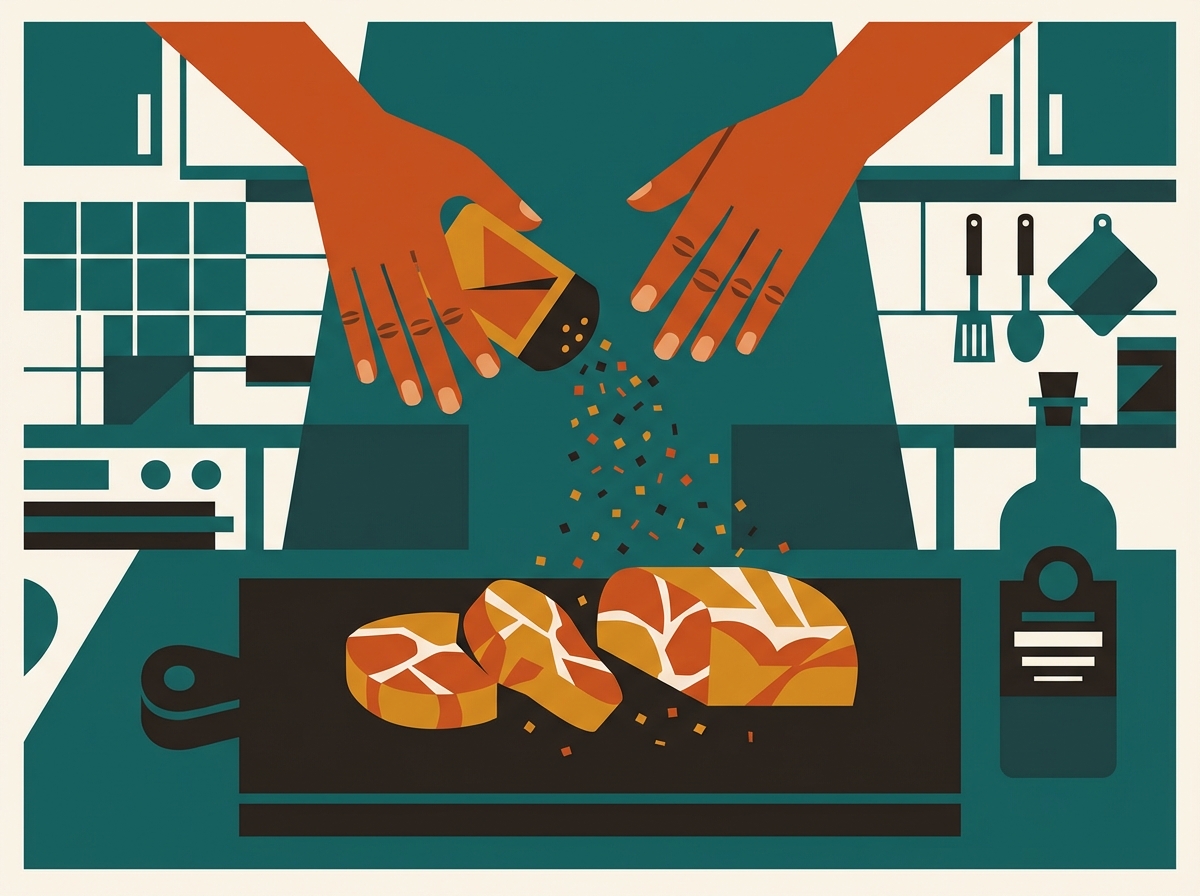
Pat the chicken thighs dry with paper towels — dry skin is essential for crispiness. Season both sides with salt, pepper, and garlic powder.
- 02
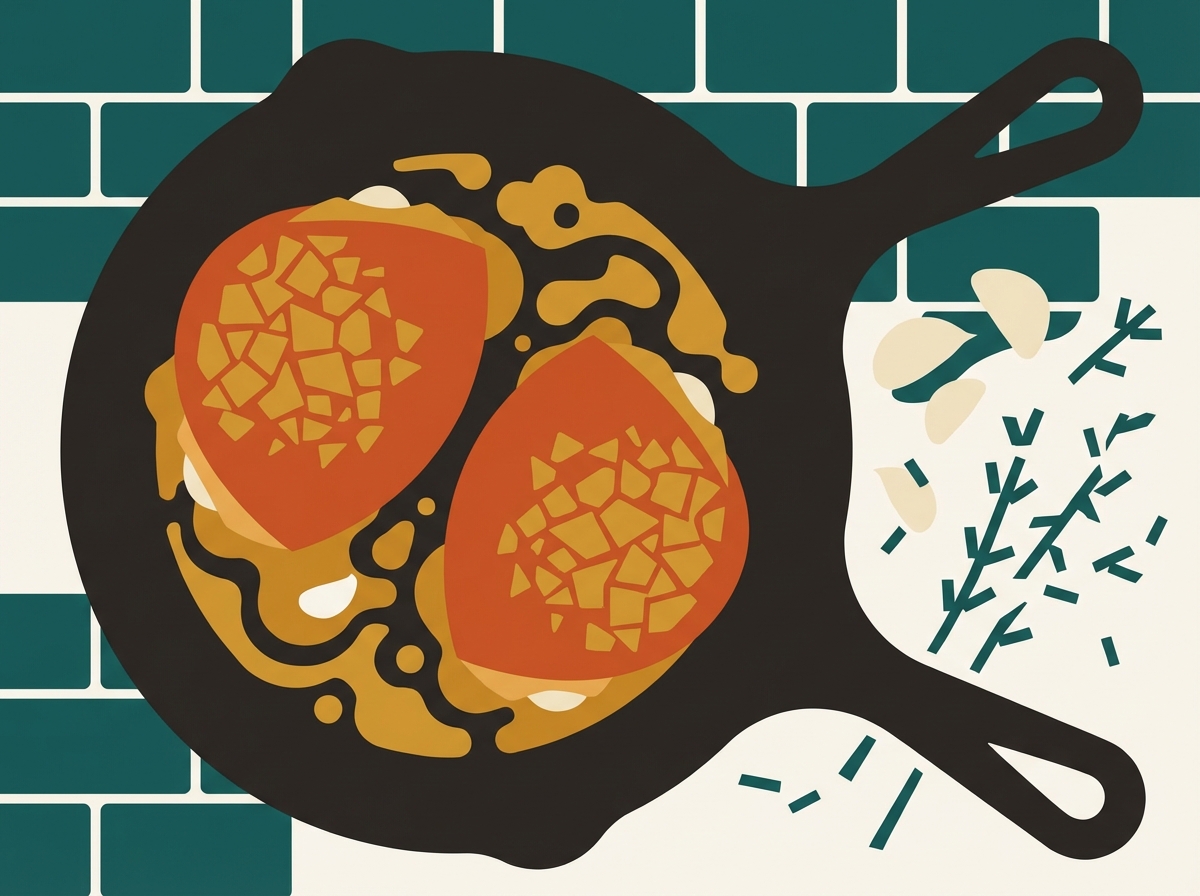
Pour the olive oil into a large cold pan. Place the thighs skin-side down, then turn the heat to medium. Starting cold allows the fat to render gradually and the skin to crisp without burning.
- 03
Cook skin-side down for 16 to 18 minutes without moving the thighs. The skin should be deep golden and lift away from the pan cleanly when ready — resist the urge to peek underneath.
- 04
Flip the thighs and cook for another 5 to 6 minutes until the internal temperature reaches 74°C (165°F). Transfer to a plate, rest for 5 minutes, then serve with the pan drippings spooned over.
Why it worksWhat is the Maillard reaction?
What is the Maillard reaction?
The Maillard reaction is a chemical reaction between amino acids and sugars that occurs at temperatures above 140°C (280°F). It creates the brown color, complex flavors, and aromas you associate with seared meat, toasted bread, and roasted vegetables. It's not caramelization — that's sugar-only.
Read the full article →Why it worksHow do I get a proper sear on the stovetop?
How do I get a proper sear on the stovetop?
A proper sear requires three things: a dry surface so water doesn't interfere with browning, a pan hot enough to stay above 140°C when cold food hits it, and fat with a high smoke point to transfer heat evenly. The Maillard reaction that creates the crust only starts above 140°C — moisture keeps the surface temperature stuck at 100°C until it evaporates.
Read the full article →Why it worksWhat is fat rendering and how does it make food crispy?
What is fat rendering and how does it make food crispy?
Fat renders when heat ruptures fat cells and the liquid drains away, leaving a protein matrix that dries out and crisps through Maillard browning above 140°C. For skin-on poultry or pork belly, you need sustained high heat — not just warm — to drive the fat out and let the skin crackle.
Read the full article →